 Free Listing

The Rise Of Social Audio In Marketing
- Admin
- October 1, 2025
- Marketing & Advertising
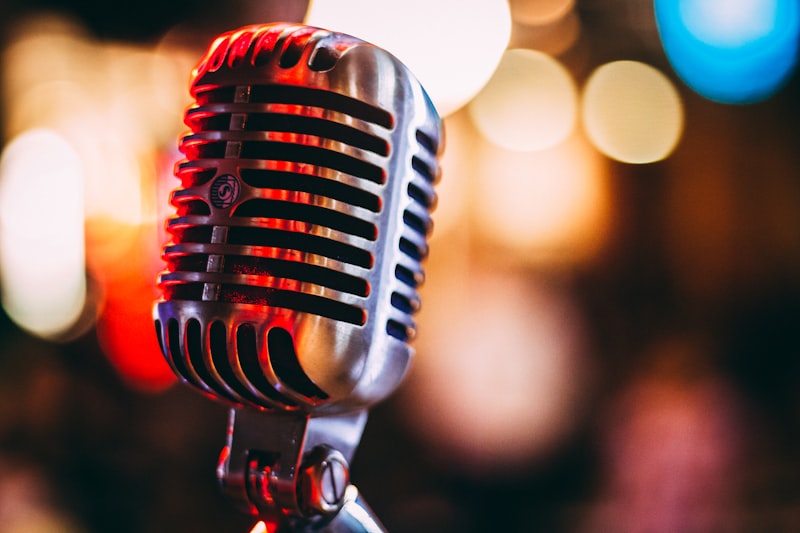
In the ever-evolving landscape of digital marketing, staying ahead of the curve is essential for brands seeking to maintain a competitive edge. One of the most exciting and rapidly emerging trends in recent years is the rise of social audio. With the success of platforms like Clubhouse, Twitter Spaces, and Spotify Greenroom, audio-based social interaction has become a powerful force in marketing and advertising. But what exactly is social audio, and how can marketers harness its potential? In this comprehensive guide, we’ll explore the rise of social audio in marketing, its benefits, challenges, best practices, and future potential.
What is Social Audio?
Social audio refers to live, interactive audio content shared on digital platforms, allowing users to participate in real-time conversations. Unlike traditional podcasts, social audio platforms facilitate live dialogue, audience participation, and community-building. The format includes everything from open chat rooms to scheduled panel discussions, Q&As, and branded events.
The Emergence and Growth of Social Audio Platforms
The social audio revolution began gaining momentum in 2020, propelled by the launch of Clubhouse—a platform that quickly became synonymous with drop-in audio chat. The pandemic, remote work, and the craving for human connection accelerated its popularity. Soon, tech giants recognized the potential, leading to the launch of Twitter Spaces, Facebook Live Audio Rooms, LinkedIn Audio Events, and Spotify Greenroom (now Spotify Live). These platforms have attracted millions of users, offering marketers new avenues for branding and engagement.
- Clubhouse: The pioneer of live audio chat, known for its exclusivity and celebrity-led discussions.
- Twitter Spaces: Integrated into Twitter for seamless audience reach and virality.
- LinkedIn Audio Events: Professional networking through voice, ideal for thought leadership.
- Spotify Greenroom: Targeted at music and podcast enthusiasts, enabling creators to monetize audio rooms.
Why Social Audio is Gaining Traction in Marketing
Marketers are increasingly turning to social audio for several key reasons:
- Authentic Engagement: Voice conversations foster genuine connections, making brands feel more human and approachable.
- Real-Time Interaction: Live audio allows immediate feedback, Q&As, and instant polls, increasing audience engagement.
- Community Building: Hosting regular audio sessions cultivates loyal communities around brands or topics.
- Low Production Barriers: Unlike video, audio is less demanding in terms of equipment, editing, and environment.
- Accessibility: Audio content is easy to consume on the go, fitting seamlessly into busy lifestyles.
How Brands Are Leveraging Social Audio
Forward-thinking brands are already experimenting with social audio marketing in innovative ways:
- Live Q&A Sessions: Companies like HubSpot and Shopify host live Q&As to answer customer questions and showcase expertise.
- Product Launches: Brands such as Spotify and Tesla have used audio platforms to unveil new offerings and gather real-time feedback.
- Thought Leadership Panels: Industry leaders participate in or host panel discussions, positioning themselves as authorities in their niche.
- Community-Building Events: Niche communities gather around shared interests, from tech to wellness, fostering brand loyalty.
- Influencer Collaborations: Partnering with influencers to co-host audio rooms expands reach and credibility.
For example, Taco Bell hosted a Clubhouse event celebrating the return of its potatoes, generating viral buzz and media coverage. Meanwhile, Audible and Penguin Random House have hosted author chats, blending entertainment with subtle brand promotion.
Benefits of Social Audio for Marketing and Advertising
Embracing social audio offers a range of strategic benefits for brands and marketers:
- Increased Reach: Audio platforms expose brands to new, engaged audiences.
- Enhanced Brand Trust: Human voices and real-time interaction create authenticity and credibility.
- Agile Content Creation: Audio sessions can be planned and executed quickly, allowing brands to react to trends in real time.
- Monetization Opportunities: Some platforms offer paid events, ticketed rooms, or sponsorships for additional revenue streams.
- Data and Insights: Audience participation and feedback offer valuable insights for refining marketing strategies.
Social audio’s unique blend of immediacy and intimacy is especially valuable in today’s trust-driven, experience-centric marketing landscape.
Best Practices for Social Audio Marketing
To maximize the impact of social audio, marketers should adopt these best practices:
1. Define Clear Objectives
Determine whether the goal is brand awareness, community building, thought leadership, lead generation, or something else. Tailor content and promotion accordingly.
2. Know Your Audience
Understand your target demographic. Research which platforms they prefer and what topics resonate most.
3. Plan and Promote Events
Schedule sessions in advance and promote them across owned and paid channels—email, social media, websites, and influencer networks.
4. Encourage Participation
Invite audience members to ask questions, share stories, and participate in polls. Engaged listeners are more likely to become brand advocates.
5. Collaborate with Influencers and Experts
Co-host sessions with industry experts, influencers, or brand partners to expand reach and add credibility.
6. Repurpose Audio Content
Record sessions (with permission) and repurpose them into podcasts, blog posts, or social snippets to extend their lifespan and reach.
7. Analyze Performance
Track attendance, engagement, and feedback. Use analytics to refine your approach and improve future sessions.
Challenges and Considerations
Despite its rapid growth, social audio marketing presents several challenges:
- Content Moderation: Live audio can be difficult to moderate, requiring clear guidelines and skilled hosts.
- Measurement: Metrics for social audio are still evolving, making ROI tracking complex.
- Platform Fragmentation: With multiple platforms, it can be hard to choose where to invest resources.
- Discoverability: Audio sessions can be harder to discover compared to traditional posts or videos.
- Accessibility: Not all users can participate in or benefit from audio-only content; consider providing transcripts or summaries.
Marketers must weigh these considerations and develop strategies to mitigate risks—such as pre-screening questions or having moderators present.
The Future of Social Audio in Marketing
The future of social audio looks promising, with several trends on the horizon:
- Integration with Other Media: Expect tighter integration of audio with video, chat, and AR for richer experiences.
- AI-Powered Features: Automated moderation, transcription, and personalized recommendations will enhance user experience.
- Branded Audio Rooms: More brands will host regular, branded audio events, turning listeners into communities.
- Monetization Models: Subscription-based audio rooms, ticketed events, and branded sponsorships will proliferate.
- Enhanced Analytics: Advanced tools will make it easier for marketers to track engagement and ROI.
As technology evolves, social audio will likely become a staple in the digital marketing toolkit—especially for brands seeking authenticity, agility, and community engagement.
Getting Started: A Step-By-Step Guide for Marketers
- Choose the Right Platform: Analyze where your audience spends time—Clubhouse, Twitter Spaces, LinkedIn, or others.
- Plan Your Content: Select relevant topics, speakers, and formats that align with your brand and audience interests.
- Promote Your Event: Use social posts, email, and partnerships to spread the word and attract listeners.
- Host and Moderate: Ensure smooth facilitation, encourage participation, and keep the conversation on track.
- Follow Up: Share recordings, thank participants, and gather feedback for continuous improvement.
With the right strategy and execution, social audio can deliver significant value for brands of all sizes.
Conclusion
Social audio is not just a fleeting trend—it’s a paradigm shift in how brands and audiences connect. As consumer preferences move toward authenticity, immediacy, and community, marketers who embrace social audio stand to gain a powerful new channel for engagement and growth. By understanding the platforms, best practices, and potential pitfalls, brands can craft compelling, interactive audio experiences that foster loyalty and drive results. The time to tune in is now—before your competitors have the chance to dominate the conversation.
Recent Blogs
-

Which Online Marketing Company Delivers Measurable ROI in Miami
-
Which Digital Marketing Experts Provide Conversion Optimization in Houston
-
Which Digital Agency Offers Branding and Advertising in Chicago
-
Which Marketing Company Handles Paid Media in Los Angeles
-
Which Digital Marketing Agency Supports Small Businesses in New York City
Related Listings

Categories
- Accountants (130)
- Agriculture & Farming (96)
- Arts & Culture (258)
- Automotive (249)
- Beauty & Spa (99)
- Bookstore Libraries (100)
- Cleaning Services (85)
- Construction & Contractors (251)
- Education & Training (136)
- Electrical Services (76)
- Energy & Environment (100)
- Entertainment & Media (512)
- Finance & Insurance (349)
- Freight & Shipping (0)
- Government & Public Services (160)
- Health & Medical (487)
- Home & Garden (78)
- Home Automation (100)
- Hotels & Travel (197)
- Immigration Services (99)
Sponsored Listings in Business Services



Related Blogs
Which Online Marketing Company Delivers Measu...
Read this insightful article "Which Online Marketing Company Delivers Measurable ROI in Miami" to expand your knowledge!
Which Digital Marketing Experts Provide Conve...
Read this insightful article "Which Digital Marketing Experts Provide Conversion Optimization in Houston" to expand your knowledge!
Which Digital Agency Offers Branding and Adve...
Read this insightful article "Which Digital Agency Offers Branding and Advertising in Chicago" to expand your knowledge!
Questions & Answers – Find What
You Need, Instantly!
How can I update my business listing?
Is it free to manage my business listing?
How long does it take for my updates to reflect?
Why is it important to keep my listing updated?
